Jan 2026/Fullstack/professional

Aksa

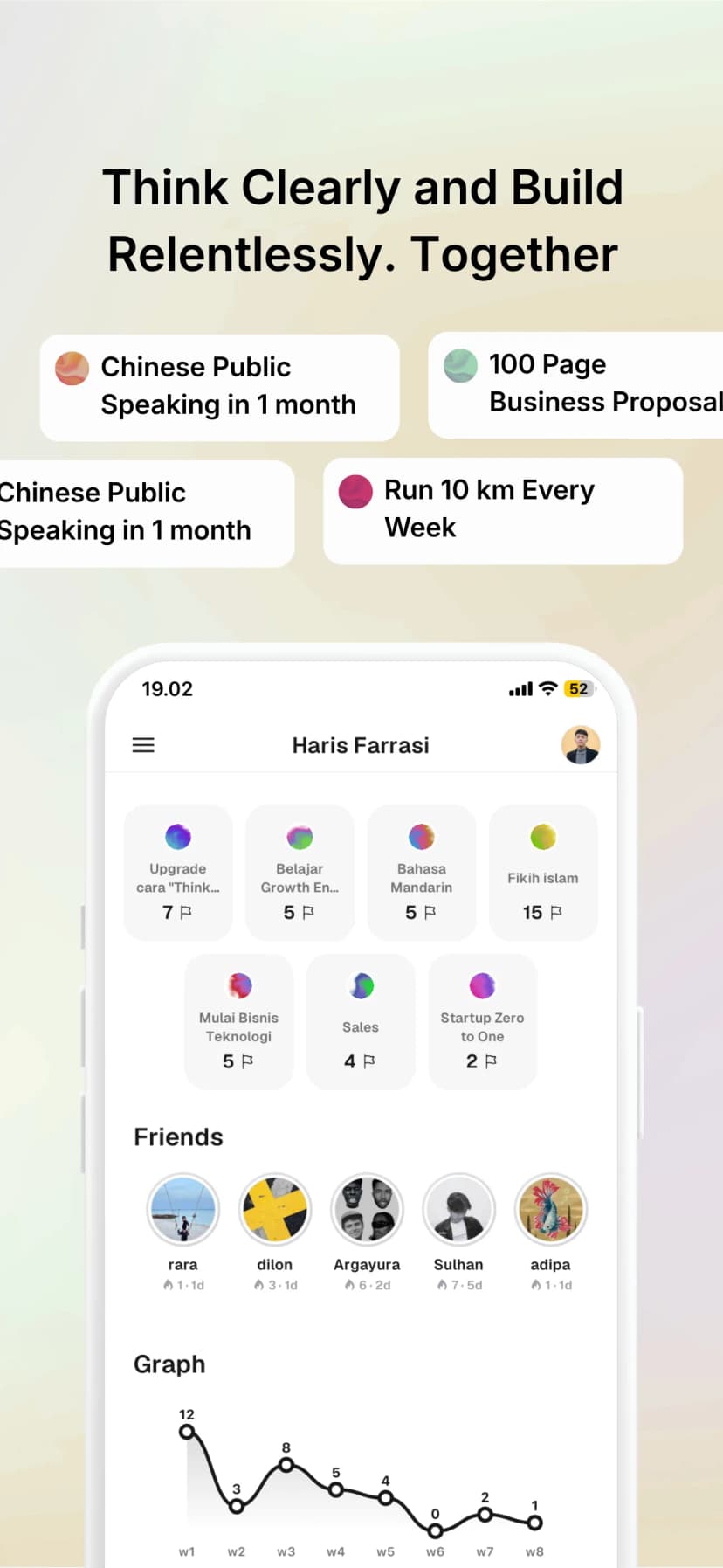
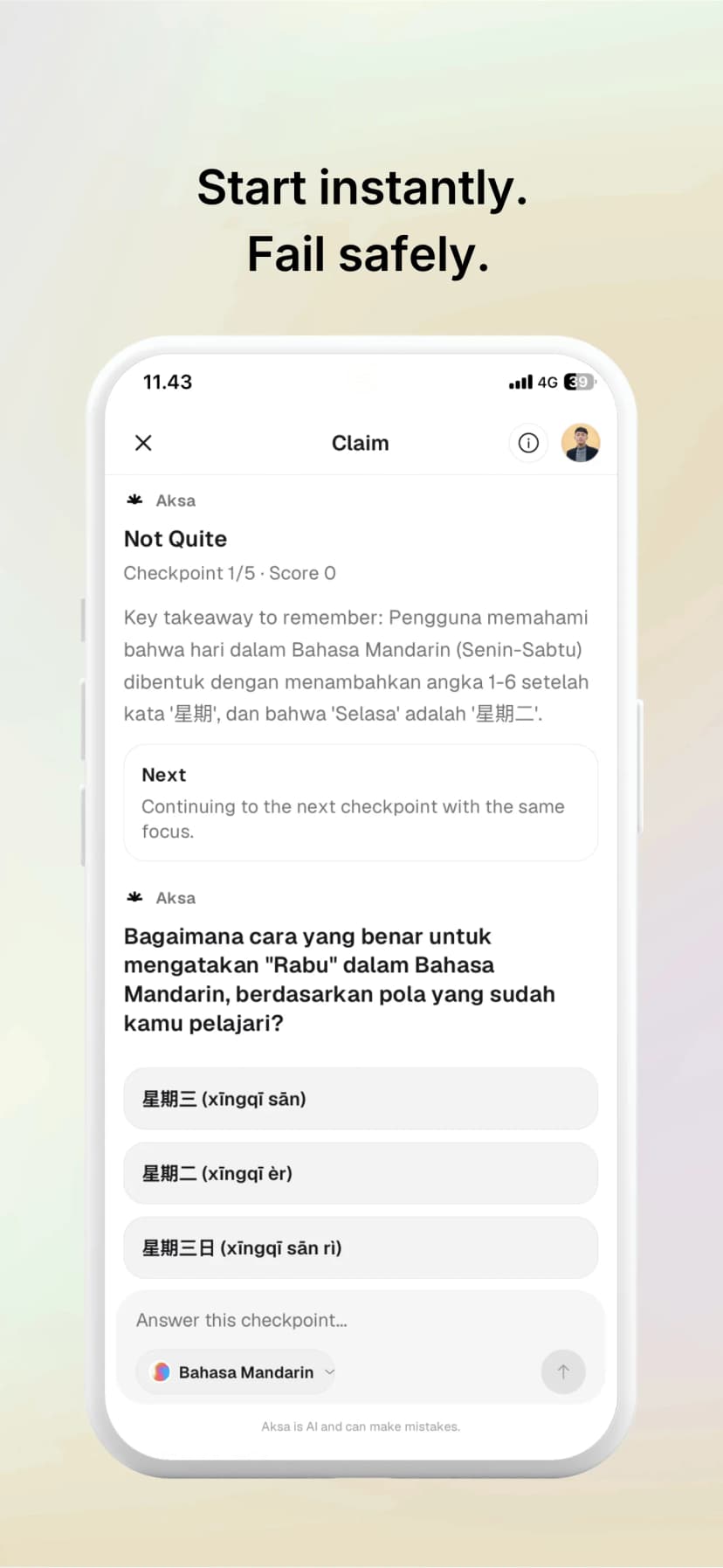
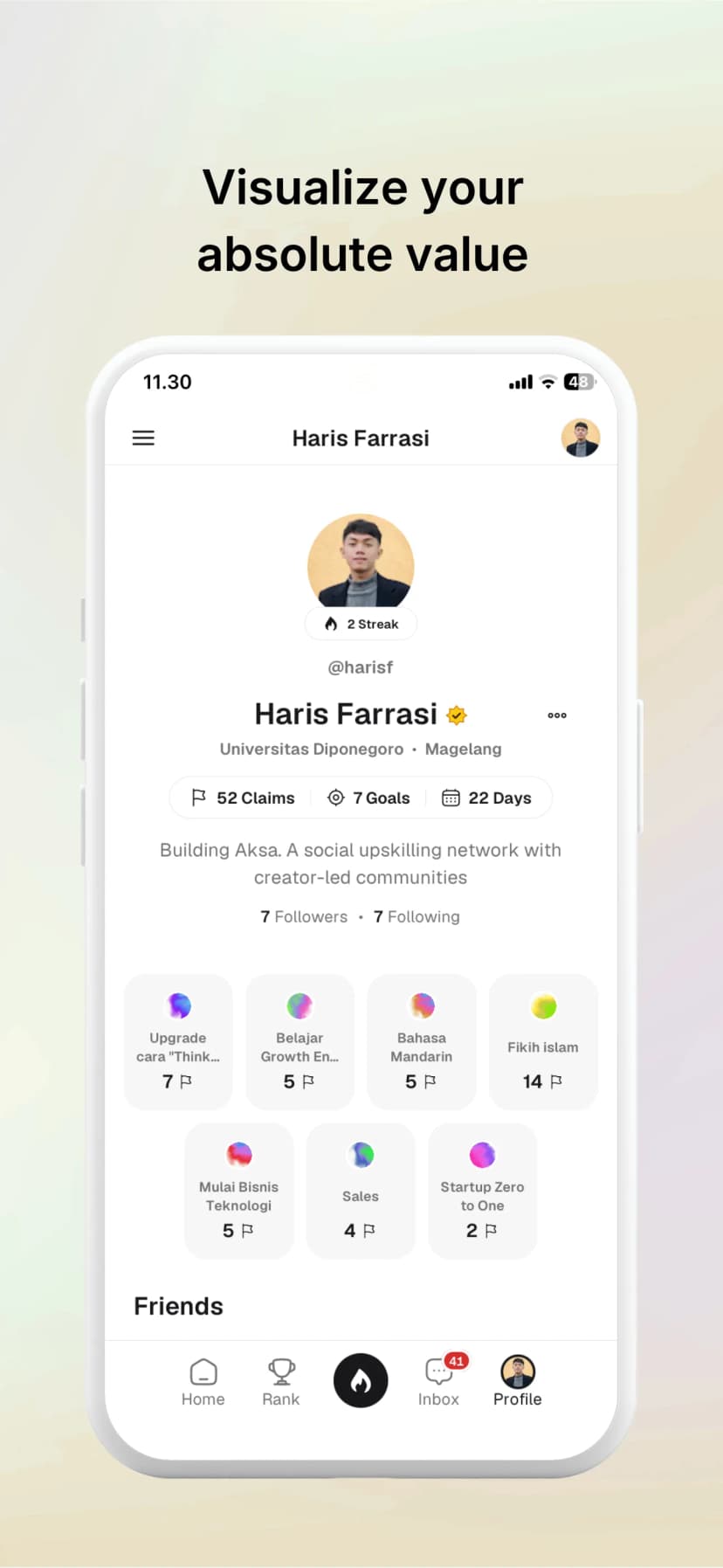
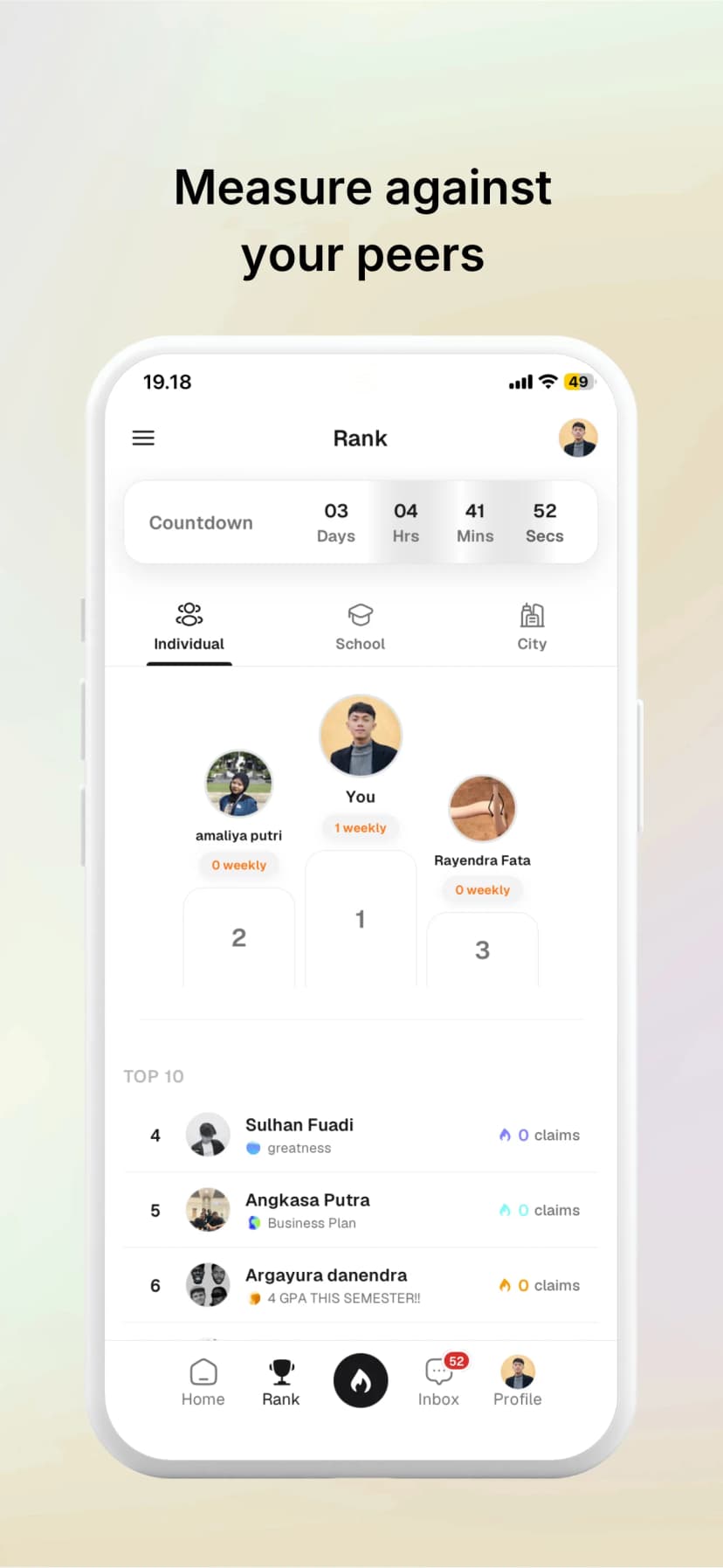
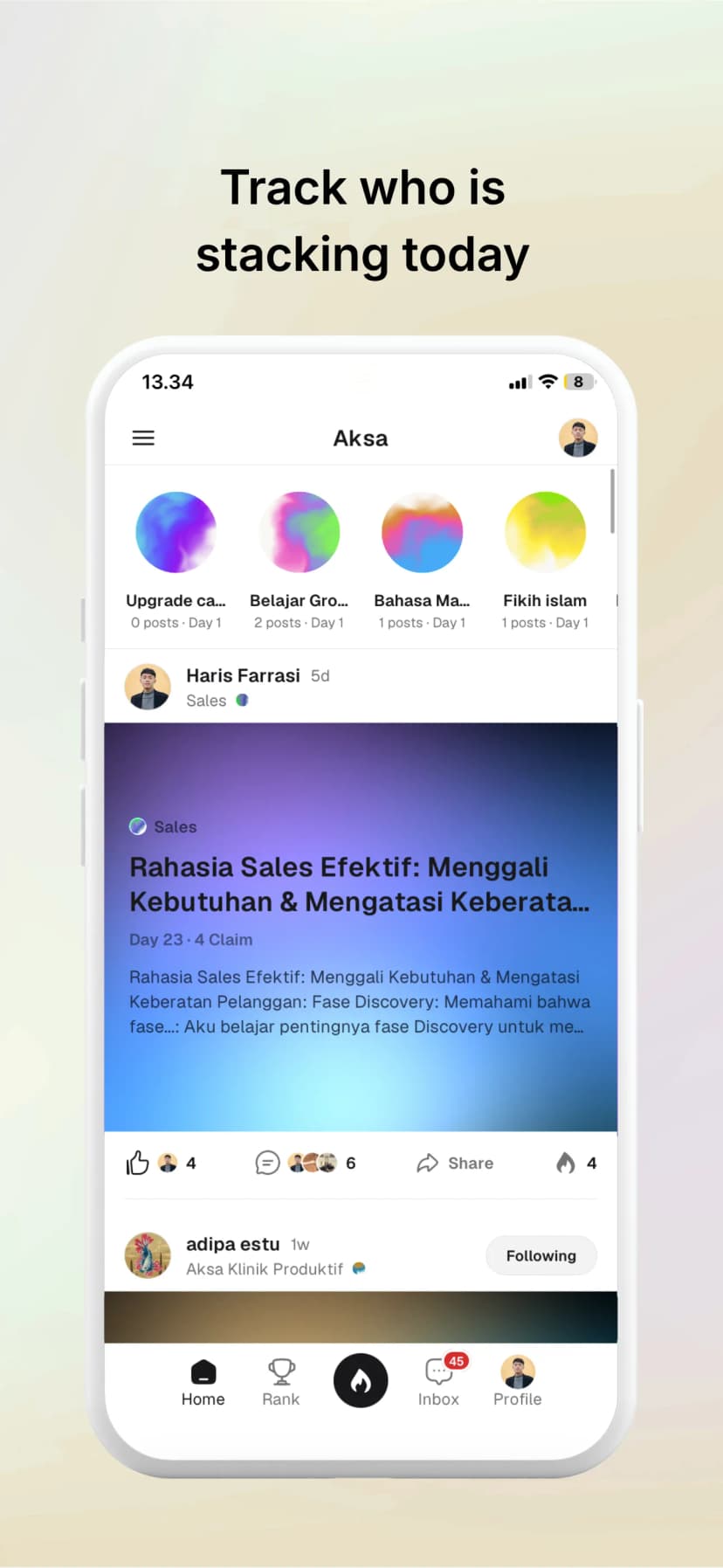
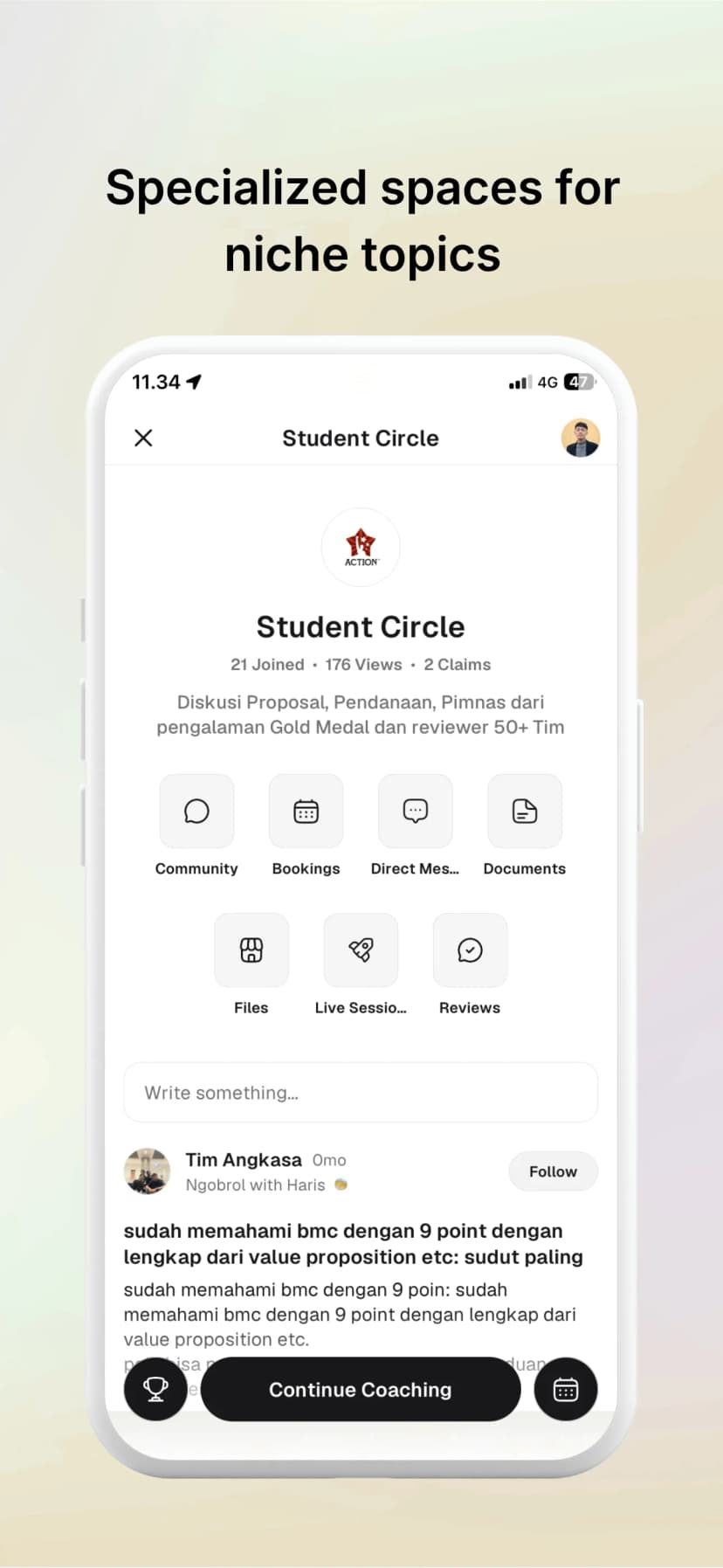
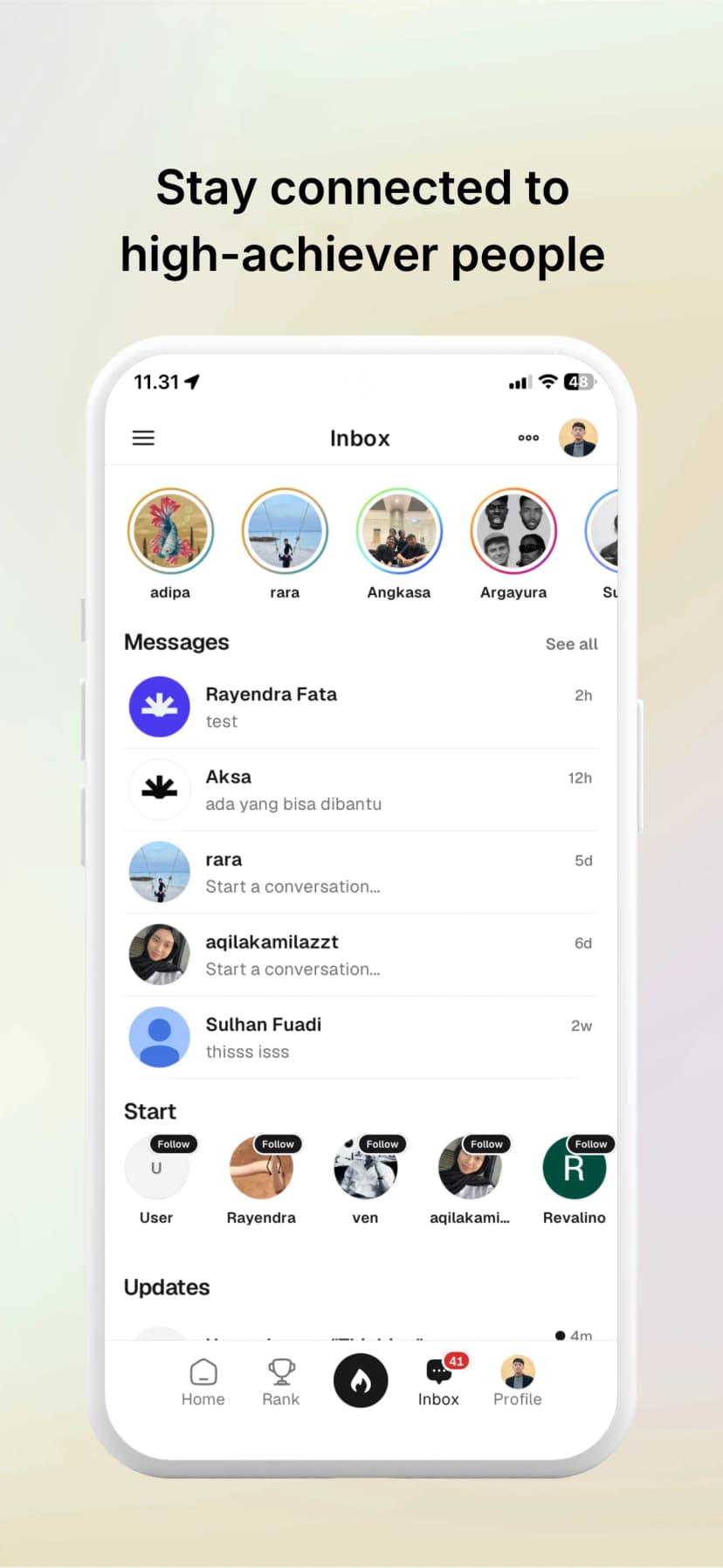
Aksa is framed as a broad product platform whose value comes from clear domain boundaries, visible quality signals, and one maintainable product surface spanning study, chat, creator, payment, and mobile flows.

project links
Domain
Fullstack
Role
Full-stack Product Engineer
Output
Web App
Category
Social Upskilling Platform
Project Framing

A source-backed case study built for recruiter review

This reading path makes the problem choice, evidence quality, user framing, execution decisions, and proof trail visible without overstating what the sources support.

Project Type
professional

Large-scale social upskilling platform built on Next.js with mobile packaging, domain-driven architecture, learning and chat surfaces, creator commerce, and AI-assisted workflows.

Orientation
Hybrid

Shows strong systems and architecture thinking by combining product breadth with visible quality signals such as CI, testing artefacts, architecture docs, and domain ownership rules.

Core Stack
Next.js · TypeScript · Firebase · Tailwind CSS

Next.js App Router platform with Firebase-backed data and auth, Tailwind/shadcn UI layer, Genkit-based AI flows, LiveKit for realtime sessions, Midtrans payments, and Capacitor support for mobile packaging around a launchpad-first app runtime.

Why This Problem Mattered

Problem framing before execution

The case-study layer starts with why this problem was selected and how the context justified investment.

Problem Framing Map

Issue

A multi-domain product platform becomes hard to evolve when architecture, testing, CI, and documentation are not designed to support scale together.

Context

Aksa is already documented through architecture materials and insight records, making it one of the strongest remaining professional candidates for a recruiter-facing case-study upgrade.

Why Selected

It is a high-leverage Wave 3 choice because it shows professional-grade product architecture, operational thinking, and documentation maturity in one platform narrative.

Problem statement

Multi-surface product platforms become difficult to evolve when learning flows, community features, payments, and creator tooling grow without explicit domain boundaries and shared architectural discipline.

Solution thesis

Built and organized a platform architecture around domain-driven modules, launchpad-first mini-app runtime, shared data orchestration, and documented engineering principles so a broad feature surface could stay maintainable.

Research and Evidence

What supports the narrative

Evidence is surfaced with its source type and credibility note so the recruiter can quickly see what is directly backed versus intentionally constrained.

Architecture documentation
local

The project has explicit architecture documentation and overview materials in the local source archive.

Credibility: Backed by the documented project evidence references to architecture docs rather than inferred repo claims.
Engineering quality surface
local

The public project record already highlights CI, testing, and architecture-led platform design as core evidence.

Credibility: Supported by the proof, responsibilities, and implementation narrative in the current project record.

Credibility Notes

  • The case should be framed as architecture-led professional product delivery, not as a public growth or revenue story.
  • No traffic, business KPI, or customer-usage claim is introduced unless it is already explicit in the documented sources.
Who The User Was

User framing stays explicit

When formal research artefacts are not available, the page still explains who the work served and why that user framing is justified by the existing sources.

Primary user
Product and engineering teams who need a platform architecture that stays maintainable across domains.

Its strongest documented value lies in architecture coordination, documentation clarity, and engineering quality.

Reviewer stakeholder
Recruiters or technical evaluators assessing whether the platform demonstrates mature system design beyond feature implementation.

The source-backed strength of Aksa is its architecture and engineering-governance signal, not just UI surface area.

Decision Flow

How design thinking translated into decisions

The goal is to show the trace from research and insight to concrete product or system decisions, then to the outcomes those decisions supported.

Design Thinking Flow

Each step keeps the movement from evidence to action explicit before the rationale expands it.

  1. Step 1
    Architecture-first framing

    Defined the platform around maintainable system boundaries before treating feature growth as the main story.

    Signal: Architecture docs became part of the project evidence, not internal-only leftovers.
  2. Step 2
    Quality guardrails

    Connected testing and CI with platform structure so engineering quality remained visible.

    Signal: The project signals disciplined operational thinking, not just code volume.
  3. Step 3
    Documentation-enabled scale

    Used architecture overviews to reduce ambiguity for future contributors and reviewers.

    Signal: The repository is easier to navigate as a professional system artefact.

Decision Rationale

Each decision keeps the path from insight to execution visible before ending on the outcome signal.

Architecture documentation as product evidence
Insight

Complex systems are harder to trust when their boundary decisions are hidden inside implementation details.

Decision

Surfaced architecture docs and overview materials as part of the project evidence trail.

Outcome

The platform reads as mature system design, not just a large codebase.

Quality-first platform narrative
Insight

Professional credibility improves when CI and testing are shown as part of how the system is built, not afterthoughts.

Decision

Framed CI, testing, and architecture as one integrated engineering-quality surface.

Outcome

The case becomes stronger for recruiter review without overclaiming product outcomes.

Solution and System Execution

Execution choices and delivery details

This section preserves the technical and operational substance: architecture, responsibilities, trade-offs, and implementation quality signals.

System Design

Next.js App Router platform with Firebase-backed data and auth, Tailwind/shadcn UI layer, Genkit-based AI flows, LiveKit for realtime sessions, Midtrans payments, and Capacitor support for mobile packaging around a launchpad-first app runtime.

Source-backed Impact

Shows strong systems and architecture thinking by combining product breadth with visible quality signals such as CI, testing artefacts, architecture docs, and domain ownership rules.

Responsibilities

  • Worked across a broad product surface spanning study, chat, creator, payment, and app-platform areas
  • Maintained architecture legibility through domain grouping, shared runtime patterns, and documented boundaries
  • Supported platform quality through code organization, docs, and delivery discipline

Stack Decisions

  • Used domain-driven organization to keep a large feature surface maintainable
  • Used Firebase as a shared foundation for auth, data, and storage across many product capabilities
  • Kept the web codebase as the central layer while extending reach through Capacitor mobile packaging

Trade-offs

  • Accepted repo complexity to support many business capabilities in one platform
  • Prioritized architecture clarity and shared conventions over a simpler but less scalable structure

Challenges

  • Keeping dependencies between domains disciplined as the platform surface expanded
  • Preserving onboarding clarity without a traditional root README
Outcomes and Proof

What was delivered and what can be verified

Outcome claims remain conservative and source-backed, while proof records and recruiter-safe links surface the strongest verification trail available.

Validation Signals

  • Architecture documentation and overview materials are preserved in local project sources.
  • Current project proof already highlights CI, testing, and architecture documentation.

Source-backed Outcomes

  • 945 files and 340 folders indicate substantial platform scope
  • Testing artefacts and CI workflows are present in the repository
  • Production website available at joinaksa.com
Retrospective and Limits

What the project proves, and what it does not

Strong case studies show both what was learned and where the current evidence stops.

Retrospective

Next iteration should add a concise root README and a high-level feature map to speed up first-time repository navigation.

Evidence Limits

  • Current sources do not support public business metrics, user-scale outcomes, or production SLO claims.
  • The project should remain framed as professional architecture and engineering-quality evidence.

Lessons

  • Large product systems need explicit domain rules and architecture references to stay understandable
  • Quality signals become more credible when CI, tests, and engineering principles are visible together